
Auto Hail Repair
Professional Hail Damage Repair for Your Vehicle

FSDAVCFEBFEVSDDVFSD

FSDAVCFEBFEVSDDVFSD

FSDAVCFEBFEVSDDVFSD
Paintless Dent Removal: The Preferred Method for hail damage
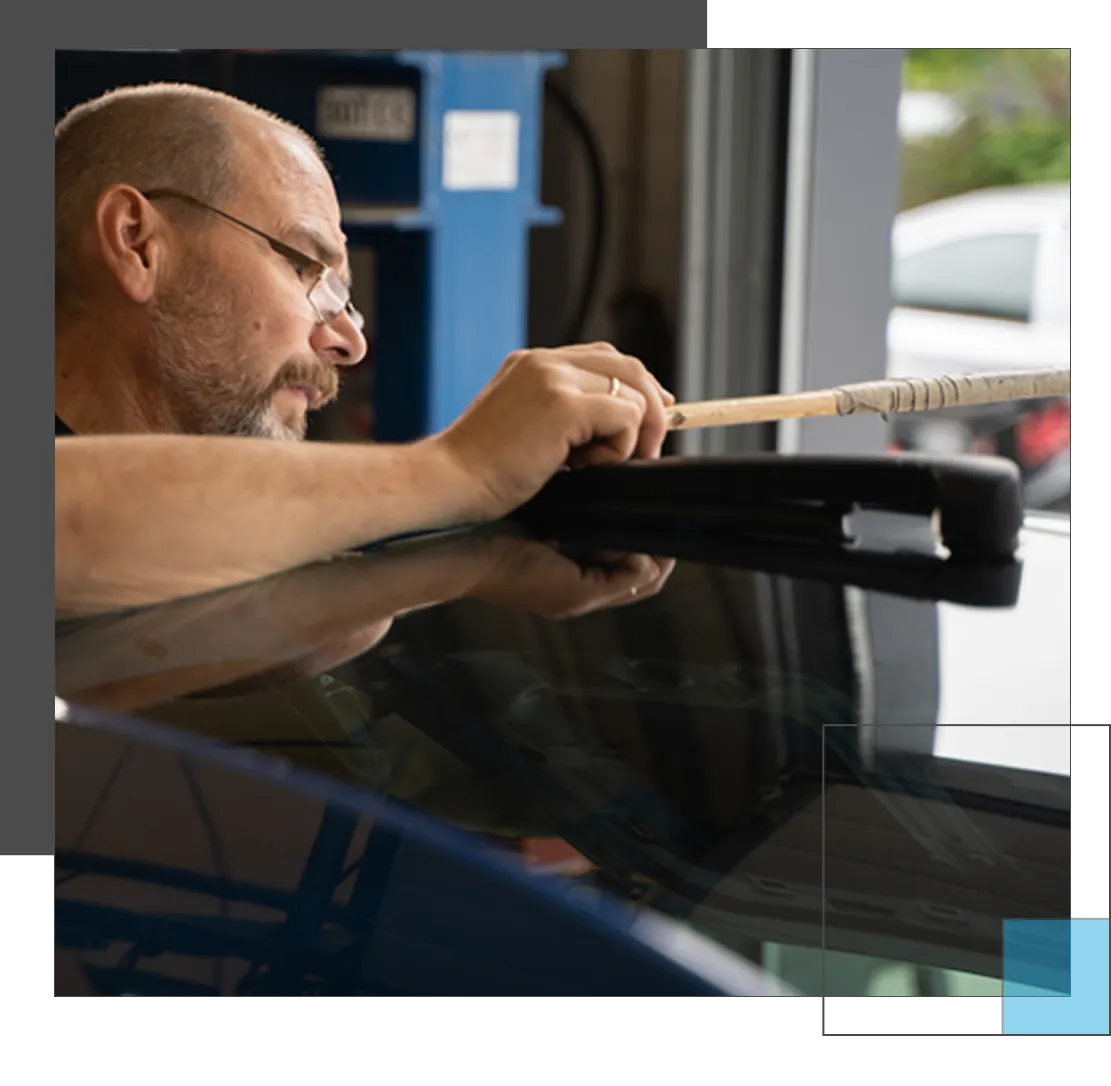
Paintless Dent Repair (PDR) is widely considered the most efficient way to remove hail damage without affecting your vehicle’s original paint. which means there’s no need for sanding, fillers, or repainting.
This method keeps your factory finish completely intact. Unlike traditional body shop repairs that often involve blending paint or applying body filler, PDR maintains the structural and cosmetic integrity of the vehicle. That’s especially important for leased cars or newer models where originality matters.
How The Automotive Hail Repair Process Works
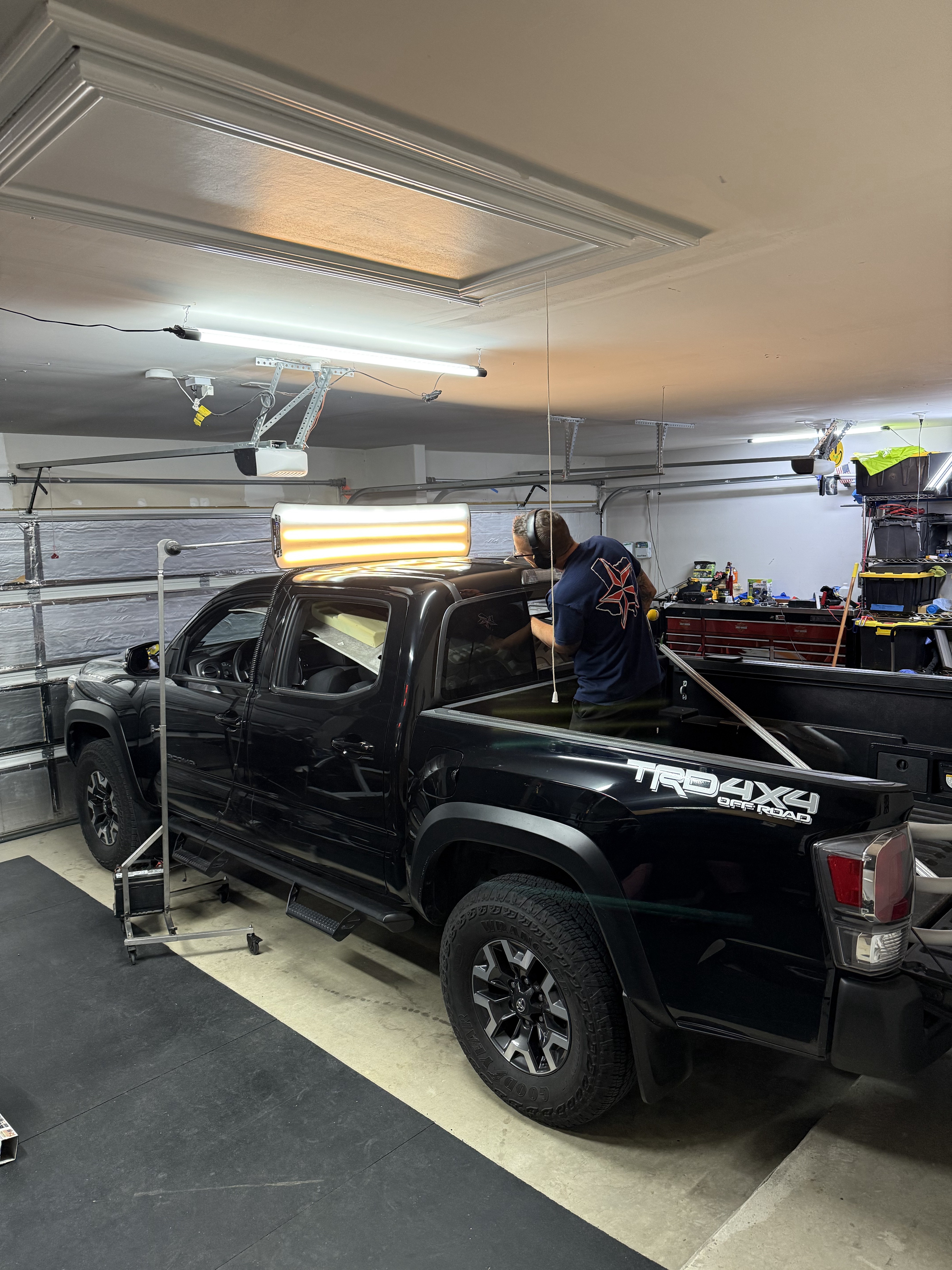
The first step in the auto hail repair process is a complete inspection of the damage with specialized lighting. We carefully examine each panel to determine how many dents are present, what size they are and how deep or stretched the metal might be.
If your vehicle has dozens—or even hundreds—of hail dents, paintless dent repair can restore the panel’s shape withoutr repainting.
Before we repair the damage in most cases, removal of certain components may be required. Once the dent repair process has started, we use that same specialized lighting in combination with various tools and tecnique's to gently massage the dents back to their original shape. Next is checking all the panels from multiple directions to ensure we have the desired finish. Lastly all components are reinstalled and everything gets a wipe down before your car is returned.
Why choose PDR over a bodyshop for Hail Damage Repairs?
Traditional body shops often repair hail damage by sanding the panel, applying filler, and repainting the area. While this hides the dents, it permanently alters your factory paint and can reduce the resale value of your vehicle. Once a panel has been repainted, it’s no longer considered original—something that can matter to buyers and lease agreements.
Insurance companies often prefer PDR for hail claims because it’s faster, preserves vehicle value, and often costs less. PDR is a smart, cost-effective solution for hail damage.
Frequently Asked Questions About Hail Repair
What is paintless dent repair for hail damage?
Paintless dent repair (PDR) is a technique used to remove hail dents without sanding, filler, or repainting. Specialized tools are used to massage the metal back into shape from behind the panel. It preserves your vehicle’s original paint and is approved by most insurance companies.
Does Swift PDR offer mobile hail damage repair?
No, we only perform in-shop hail damage repairs. This ensures we have the proper lighting, tools, and controlled environment necessary for precise, high-quality paintless dent removal.
How do I know if my hail damage qualifies for PDR?
If the paint isn’t cracked or chipped and the dents are shallow, your vehicle is likely a good candidate. Our team performs a full inspection using PDR lights to assess each dent and determine eligibility.
Why is it important to fix hail damage quickly?
Even small hail dents can lead to clear coat fractures, which may allow moisture to reach the metal underneath. This can result in rust and corrosion if not repaired promptly.
Can you repair hail dents on all parts of my vehicle?
Yes. We regularly remove dents from roofs, hoods, trunks, fenders, and door panels. Whether it’s a flat surface or a body line, our certified technicians can restore your vehicle’s original shape.
Will filing a hail damage claim raise my insurance premium?
In most cases, hail damage is considered a comprehensive claim, which typically does not increase your premium. We can guide you through the claim process and provide the documentation your insurer needs.
How long does hail damage repair take?
Most hail repairs take between 1 to 3 days, depending on the number of dents and panel access. We’ll give you a clear timeline after our inspection and estimate.
Is paintless dent repair cheaper than traditional body repair?
Yes. PDR is often significantly more affordable because there’s no sanding, repainting, or parts replacement. It also reduces downtime since most jobs are completed faster.
Do I need an appointment for a hail damage inspection?
Appointments are recommended but not required. You can stop by our shop or upload photos of the damage through our website to start your estimate.
Does Swift PDR guarantee its hail damage repairs?
Yes. All of our hail damage repair work is backed by a quality guarantee. We complete every job with a final inspection to ensure your car looks factory-fresh before it leaves our shop.
What Makes a Vehicle a Good Fit for Hail PDR?
Paintless Dent Repair works best when the vehicle’s paint is still in good condition. If the hail dents haven’t caused any cracks or chips in the paint or the dents haven't over-stretched the metal, the damage can typically be removed without any need for repainting.
However in extreme cases some panels could still require a traditional bodyshop for repainting,
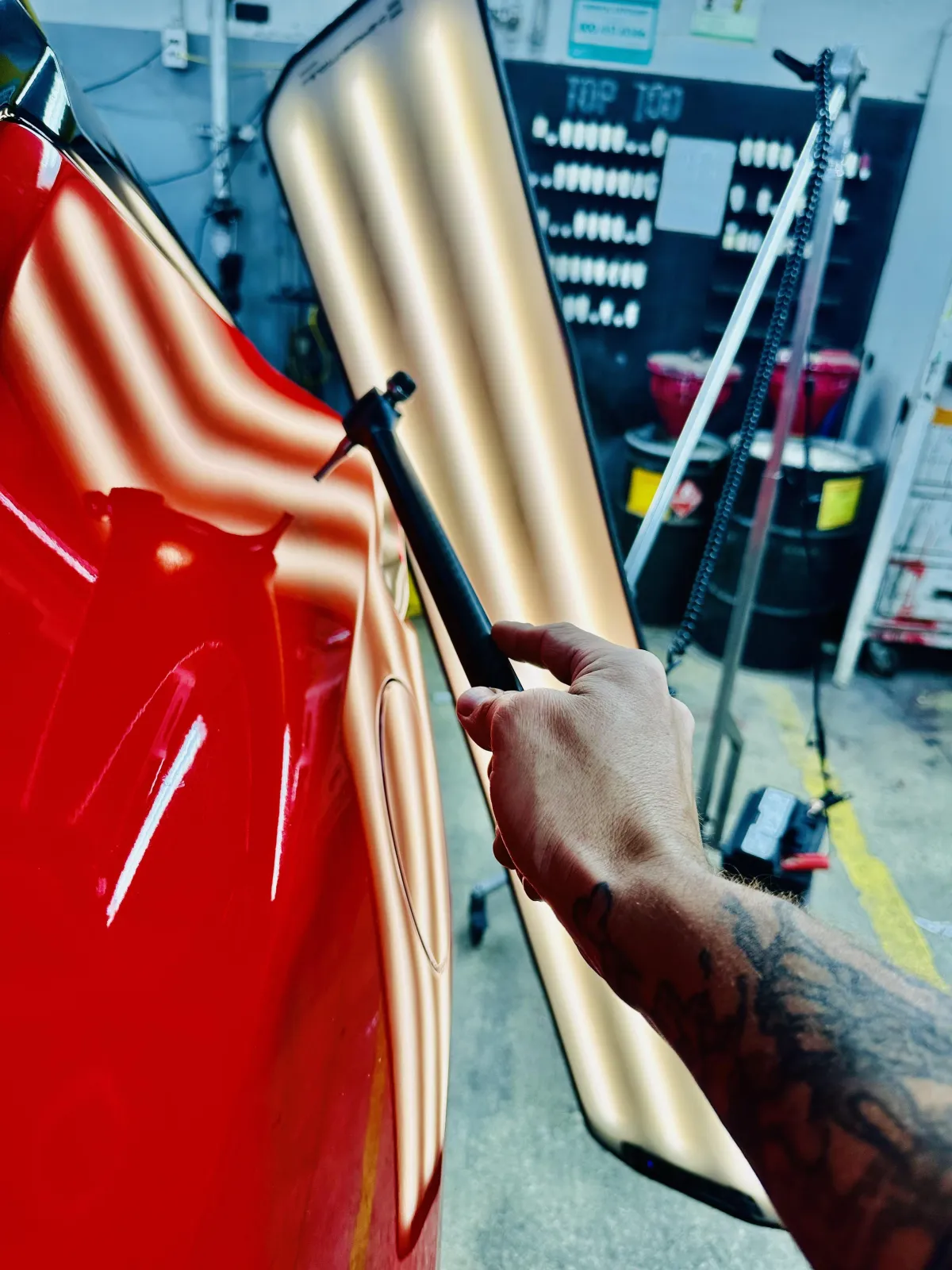
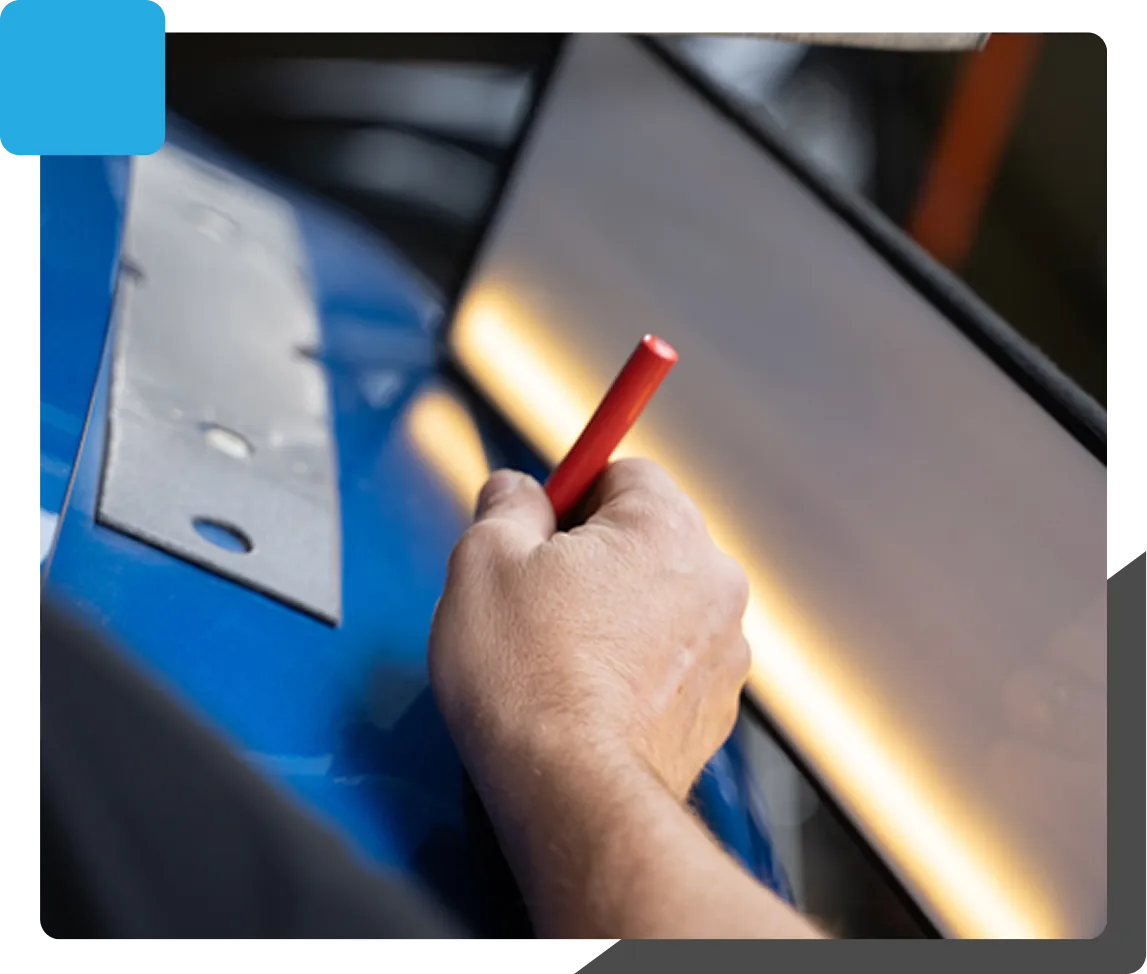
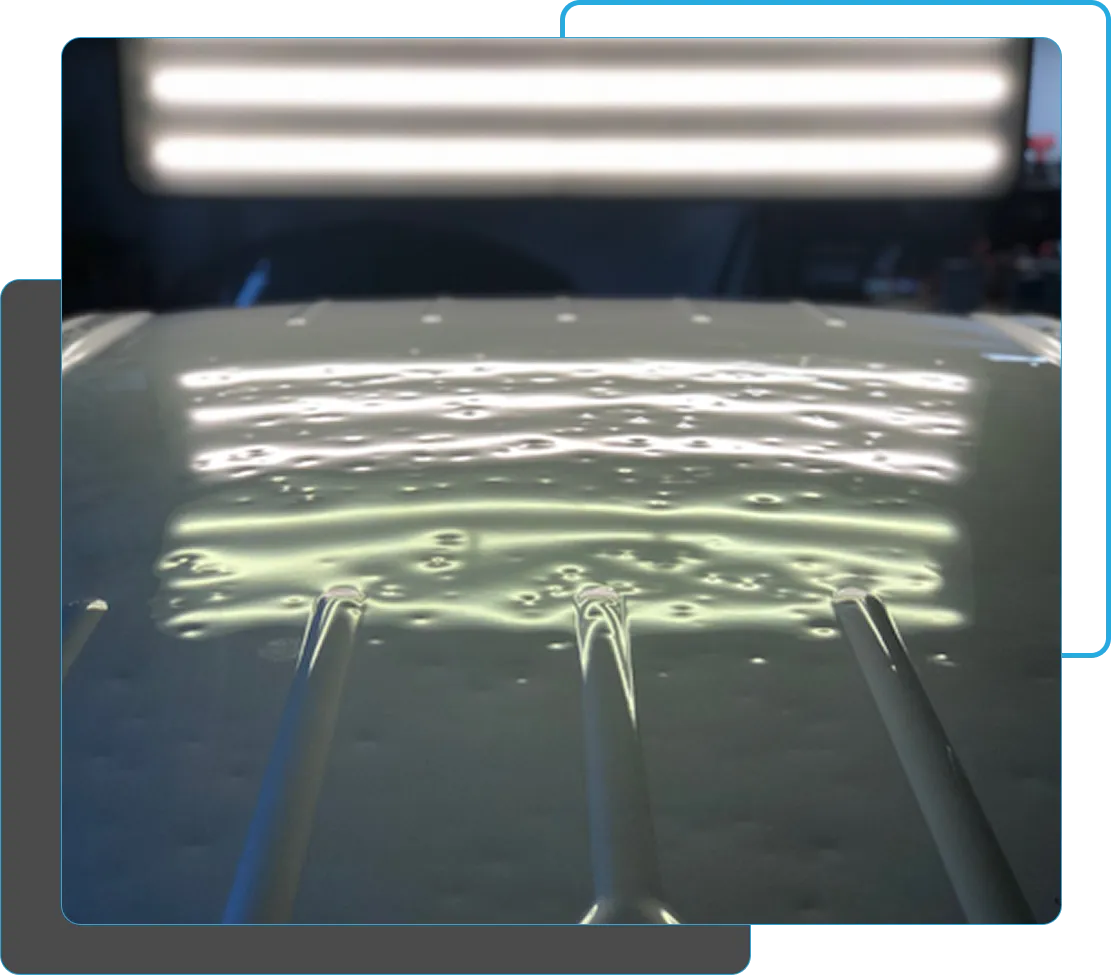
Every hail repair starts with a detailed inspection using high-visibility LED light boards and reflection tools. These help the technician identify even the smallest dents by showing how light bends across the surface. Each panel is carefully mapped so that we can provide the most accurate estimate.
Hill Country Dent Repair has years of experience working specifically with hail damage. We understand how different panels react to dents and which tools are best suited for each repair. Whether it’s a steel or aluminum hood, roof, fender, quater panel or roof rail, every situation is approached with the right strategy. No two hail jobs are exactly alike, so each one is evaluated for panel access, paint condition, and repair complexity.
That level of experience and precision is what separates quick fixes from true repairs. It’s not just about removing dents—it’s about restoring your vehicle to its original, factory-quality condition.
Frequently Asked Questions
Can hail damage be fixed without repainting?
Yes, most hail dents can be repaired using Paintless Dent Repair (PDR), which removes dents without affecting your original paint. PDR works by gently pushing the metal back into shape from behind the panel using specialized tools and lighting. As long as the paint isn’t cracked, this method is ideal for restoring factory finish without body filler, sanding, or repainting.
How long does auto hail repair take?
For moderate hail damage, most vehicles are repaired in one to two days. Smaller jobs can be finished in just a few hours. Mobile repairs make it even faster since our technician works at your home or office—no shop delays, rental cars, or time off work needed.
Does insurance cover paintless hail repair?
Yes. Most comprehensive auto policies cover hail damage and approve paintless dent repair (PDR). In many cases, your deductible is waived or reduced. Hill Country Dent Repair works directly with your insurance company to make the process simple and hassle-free.
Can you repair hail damage at my location?
Absolutely. Our mobile hail repair service means we bring everything to you—tools, lighting, and expertise. Whether you’re at home, work, or managing a fleet, we complete the repair on-site with the same precision you'd expect from a shop.
Is paintless dent repair better than body shop work?
For hail damage, PDR is usually the better choice. It’s faster, costs less, and preserves the factory paint. Traditional body shops often use fillers and repaint panels, which may lower resale value and require more time.
How do I know if my car qualifies for PDR?
If the paint is intact and the dents are not too deep, PDR is usually possible. Common repair areas include hoods, roofs, doors, and trunks. During your inspection, we check every panel and explain what’s repairable without guessing.
Do aluminum or steel panels affect the repair?
Both aluminum and steel panels can be repaired with PDR, though aluminum may take longer due to its stiffness. Our technician is experienced with both materials and will assess your car’s metal type during the initial inspection.
Will the dents ever come back after PDR?
No. Once repaired properly, hail dents do not return. The metal is reshaped and returned to its original position. Our method is precise and leaves no trace of the damage—no filler, no patchwork, and no future issues.
Can you repair multiple hail dents at once?
Yes. Hail damage typically affects multiple panels with dozens or even hundreds of dents. We repair each dent individually, using mapping lights and precision tools. It’s a detailed process that results in clean, even panels every time.
What’s the benefit of keeping my factory paint?
Keeping your original paint helps maintain your vehicle’s resale value and eliminates issues like mismatched colors, overspray, or future paint fading. That’s why paintless dent repair is the preferred method for newer vehicles, leased cars, and daily drivers.
Contact Info
Service Hours
Social Media
Mon - Fri: 8:00 am – 5:00 pm
Saturday: By Appointment
Sunday: Closed
Home
Services
Service Areas
Blog
About
Contact
Contact Info
Service Hours
Mon - Fri: 8:00 am – 5:00 pm
Saturday: Closed
Sunday: Closed
Social Media
Licensed, bonded, & insured
©2026 Arbitrage Marketing
Powered by: Customers.Plus